What Happens During a Boiler Service?
Regular boiler servicing is essential for keeping your heating system safe, efficient and reliable. Whether you are a homeowner, a business owner or a landlord responsible for tenants, an annual boiler service helps prevent unexpected breakdowns, improves efficiency and ensures your system is operating safely.
In this guide we explain exactly what happens during a boiler service and why it is important.
Why Annual Boiler Servicing Matters
A boiler works hard throughout the year, especially during colder months. Over time, components can wear, seals can deteriorate and debris can build up inside the system. Without regular servicing, these issues can lead to reduced efficiency, higher energy bills or even safety risks.
An annual boiler service helps to:
- Ensure your boiler is operating safely
- Detect potential faults before they become serious problems
- Maintain energy efficiency and reduce heating costs
- Extend the lifespan of the boiler
- Keep manufacturer warranties valid
- Provide legal compliance for landlords
For landlords in particular, regular servicing is essential as part of their legal responsibilities when renting out a property.
What Happens During a Boiler Service?
During a boiler service, a qualified Gas Safe registered engineer will carry out a detailed inspection and series of checks to ensure the boiler is operating correctly.
1. Visual Inspection
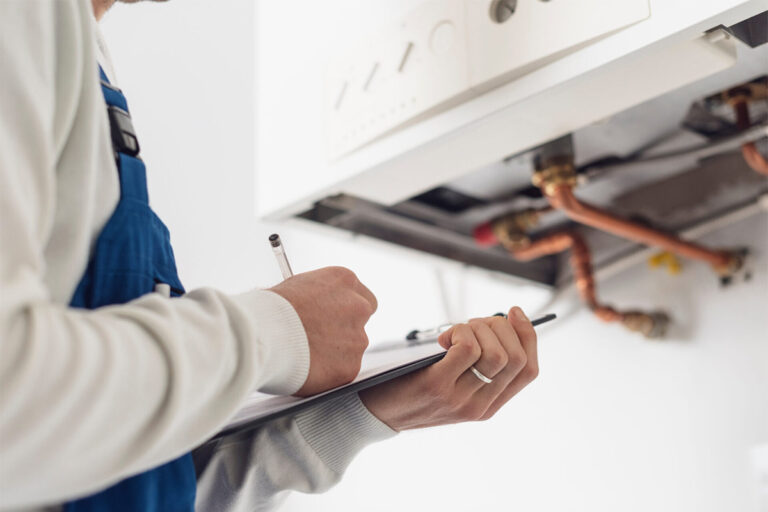
The engineer will begin with a visual inspection of the boiler and surrounding components. This includes checking:
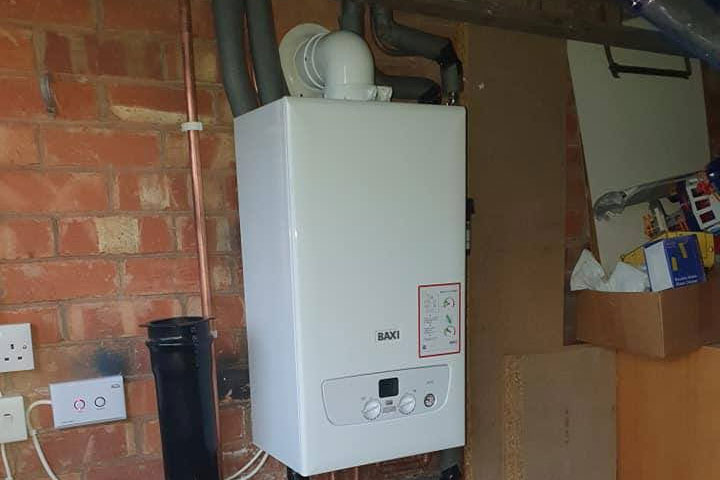
- The boiler installation and pipework
- Signs of corrosion or leaks
- Proper ventilation and flue positioning
- General condition of the appliance
This helps identify obvious issues before more detailed testing begins.
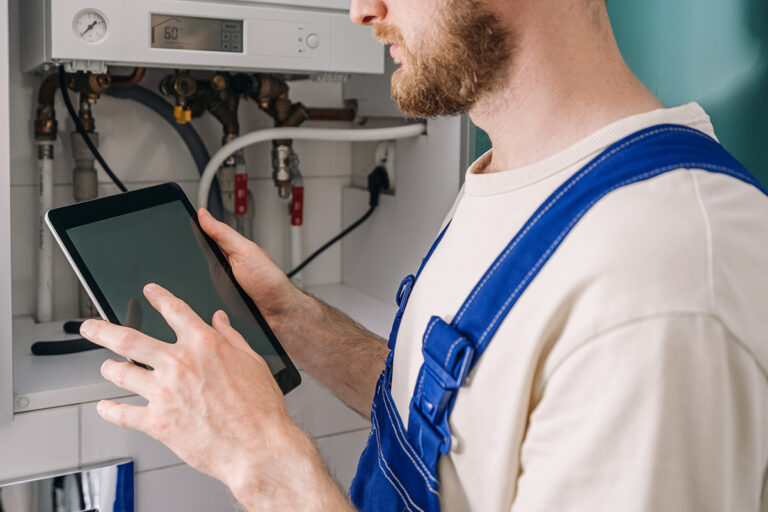
2. Boiler Controls Check
The engineer will check that the boiler controls and thermostat are functioning correctly. This ensures the heating system responds properly when temperatures change and that safety mechanisms are operating as expected.
3. Internal Component Inspection
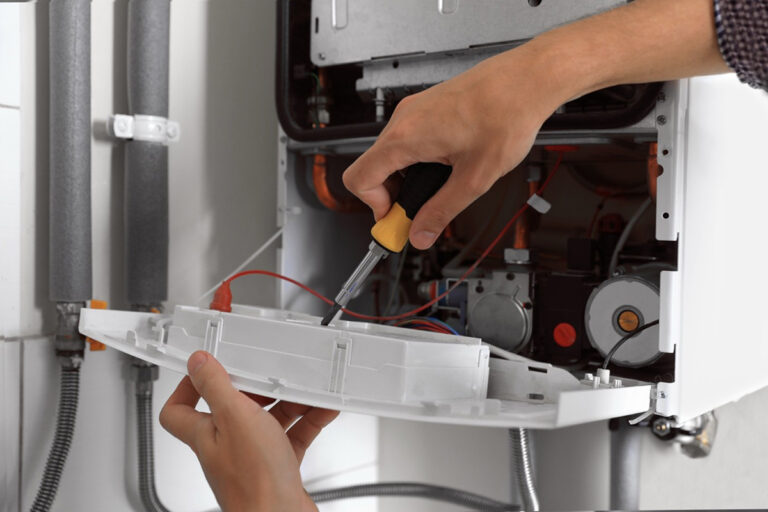
The boiler casing is removed so the engineer can inspect internal components. Depending on the boiler type, this may include checking:
- Burner
- Heat exchanger
- Ignition system
- Seals and gaskets
- Fans and valves
If required, certain components may be cleaned to improve efficiency and performance.
4. Gas Pressure and Flow Test
A key part of the service is checking that the boiler is receiving the correct gas pressure and that combustion is happening correctly. Engineers will test the gas pressure and flow to ensure the appliance is operating within manufacturer specifications.
Incorrect gas pressure can reduce efficiency or cause safety concerns, so this is an important step.
5. Flue and Combustion Checks
The flue is responsible for safely removing harmful gases from the boiler. During a service the engineer will:
- Check the flue for blockages or damage
- Ensure it is correctly sealed and positioned
- Perform a combustion analysis test
This confirms the boiler is burning fuel correctly and that emissions are within safe limits.
6. Safety Device Checks
Modern boilers include a range of safety devices designed to shut down the system if a fault occurs. The engineer will test these safety mechanisms to ensure they are functioning correctly.
7. System Pressure and Operation Test
Finally, the engineer will run the boiler to check overall operation. This includes:
- Checking system pressure
- Ensuring the boiler fires up correctly
- Confirming the heating and hot water operate properly
- Listening for unusual noises
Once everything has been checked, the boiler casing is refitted and the system is left operating safely.
Boiler Servicing for Homeowners
For homeowners, an annual boiler service provides peace of mind that your heating system will work when you need it most.
Regular servicing can:
- Reduce the risk of breakdowns during winter
- Improve heating efficiency and lower energy bills
- Identify small faults before they become costly repairs
- Help extend the life of the boiler
Many homeowners choose to service their boiler in late summer or early autumn before the heating season begins.
Boiler Servicing for Landlords
Landlords have a legal responsibility to ensure gas appliances in rental properties are safe. Under UK law, landlords must arrange a Gas Safety Check every 12 months carried out by a Gas Safe registered engineer.
After the inspection, landlords receive a Gas Safety Certificate (CP12) which confirms the appliance has been checked and is safe to use.
Regular servicing also helps landlords avoid unexpected heating failures that can disrupt tenants and require emergency repairs.
Boiler Servicing for Commercial Properties
Businesses rely on heating and hot water systems to operate smoothly. In commercial settings, boiler servicing helps ensure:
- Compliance with health and safety regulations
- Minimal disruption to business operations
- Efficient energy use and reduced operating costs
- Early detection of potential faults
Commercial boilers may require more frequent servicing depending on system size and usage.
How Often Should a Boiler Be Serviced?
In most cases, boilers should be serviced once per year. However, commercial systems or heavily used appliances may require more frequent maintenance depending on manufacturer guidance.
Keeping a consistent service schedule helps ensure the boiler continues to run safely and efficiently.
Book Your Boiler Service
If your boiler has not been serviced recently, arranging an annual check can help keep your heating system running smoothly and safely.
Whether you are a homeowner, landlord or business, a professional boiler service ensures your system remains reliable, efficient and compliant with safety regulations.
If your boiler is due a service or you would like expert advice about maintaining your heating system, get in touch with our friendly team today and we will be happy to help.